
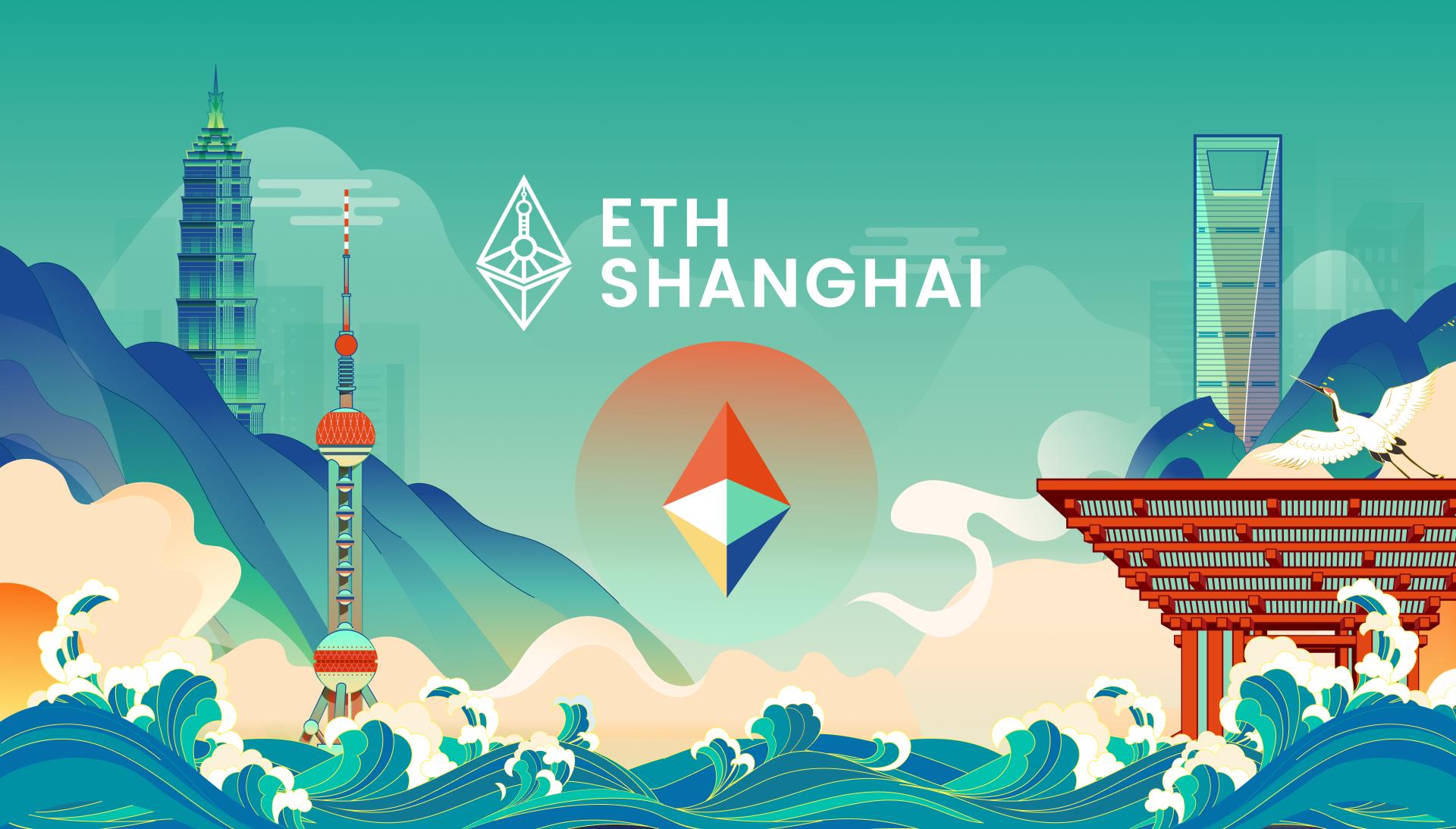
Ethereum, the second-largest cryptocurrency by market cap, is once again in the spotlight following its latest network upgrade, dubbed the Shanghai Upgrade. This update, which was successfully deployed in late 2024, introduces several major improvements aimed at bolstering Ethereum’s staking ecosystem and overall network efficiency. As Ethereum moves forward with its shift to a proof-of-stake (PoS) consensus model, the Shanghai upgrade marks a key milestone in the network’s ongoing evolution.
What the Shanghai Upgrade Brings
The Shanghai upgrade primarily focuses on improving Ethereum’s staking environment by introducing two major changes: the ability for stakers to withdraw their ETH, and optimizing gas fees for certain operations, making the network more efficient for decentralized applications (dApps).
One of the most eagerly awaited features is the ability for validators to withdraw staked ETH, which has been locked since Ethereum transitioned to proof-of-stake in September 2022 with the Merge. Until now, stakers who helped secure the network were unable to access their rewards or initial deposits. The Shanghai upgrade resolves this issue, allowing for withdrawals and thus increasing flexibility for validators.
Surge in Staking Activity
With staking withdrawals now possible, many expected a rush to unstake ETH. However, contrary to these expectations, Ethereum has seen a surge in new staking deposits. This indicates rising confidence in Ethereum’s long-term viability as a PoS network. In fact, Ethereum’s staking participation rate recently crossed 22%, with over 30 million ETH staked, a clear sign that more investors are looking to participate in network validation and earn staking rewards.
Impact on ETH Price
Ethereum’s price has benefited from the positive sentiment surrounding the Shanghai upgrade, climbing to the $2,200 range. As staking becomes more accessible and attractive, some analysts believe ETH could see further gains, especially as more institutional investors start participating in the staking ecosystem. Additionally, Ethereum’s long-term deflationary model—through ETH burning introduced in the London Hard Fork—could further reduce supply, potentially driving up prices over time.
While challenges like high transaction fees remain an issue, Ethereum’s path forward looks promising with this latest upgrade, and the increased staking activity points to sustained interest in the network.